

A comprehensive website SEO audit is a strategic tool for organizations to maximize online performance, enhance user experience, and stay competitive in the digital landscape. By analyzing data beyond rankings, it reveals user behavior, technical issues, and mobile optimization needs, enabling businesses to make data-driven decisions that improve efficiency, reduce environmental impact, and foster inclusivity. Regular audits, leveraging advanced analytics tools, yield significant improvements in online visibility, customer engagement, and operational efficiency, with studies showing a 20% increase for adopting companies. Key steps include defining objectives, conducting an audit, analyzing competitors, implementing data-backed changes, and continuous monitoring to adapt strategies as needed.
In today’s data-rich environment, making informed decisions to drive optimal performance is crucial for any organization. However, many businesses struggle with transforming raw data into actionable insights, especially when it comes to online platforms like websites. A comprehensive website SEO audit stands as a powerful tool to bridge this gap. By meticulously analyzing traffic sources, keyword rankings, and user behavior, we can uncover significant inefficiencies and opportunities for growth. This article delves into the art of data-driven decision-making, offering strategic insights to help organizations harness the full potential of their online presence through effective website SEO audits.
- Understanding Data: The Cornerstone for Decisions
- Unlocking Insights: Analyzing Website Performance
- SEO Audit: Optimizing Online Visibility
- Data Interpretation: Recognizing Patterns and Trends
- Implementing Strategic Changes: A Step-by-Step Guide
- Measuring Success: Evaluating Data-Driven Outcomes
Understanding Data: The Cornerstone for Decisions

In today’s data-rich environment, making decisions based on insights derived from data has become a cornerstone of optimal performance across industries. For organizations looking to gain a competitive edge, especially in the digital landscape, understanding data is paramount. A comprehensive website SEO audit, for instance, reveals not just keyword rankings but also user behavior patterns, page load speeds, and mobile optimization needs – all vital data points for enhancing online visibility and user experience. This strategic approach extends beyond mere marketing; it permeates every aspect of business operations, from product development to risk management.
Comprehensive risk management, a critical component of successful data-driven decisions, involves identifying potential hazards and implementing proactive measures. By analyzing historical data and leveraging industry best practices, organizations can anticipate challenges and mitigate risks effectively. For instance, a financial institution might use predictive analytics to forecast market trends and adjust investment strategies accordingly, ensuring portfolio resilience. This proactive stance, grounded in thorough data analysis, is key to fostering sustainable growth.
The importance of data extends beyond internal operations; it also plays a pivotal role in gaining mainstream approval and supporting underserved communities. Brands that leverage data insights responsibly can tailor their products and services to meet diverse needs, fostering inclusivity. SEO growth labs, like seogrowthlab.us.com, exemplify this trend by offering specialized services that help businesses optimize their online presence based on comprehensive data analysis. By adhering to ethical standards and industry best practices, these labs empower organizations to achieve not just mainstream approval but also meaningful impact within their communities.
Unlocking Insights: Analyzing Website Performance
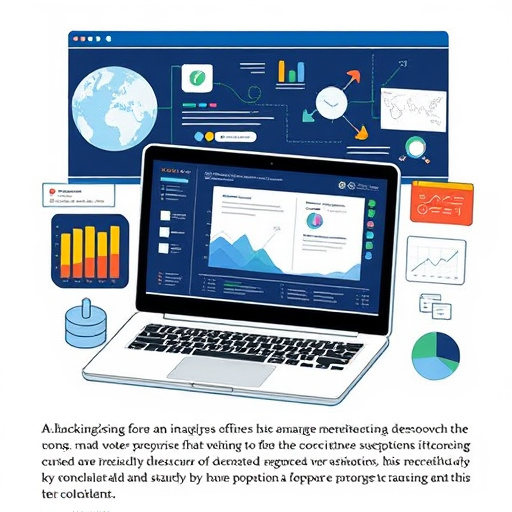
In the world of data-driven decisions, unlocking insights from website performance is a game-changer for optimal business outcomes. A comprehensive website SEO audit acts as a compass, guiding organizations towards enhanced visibility and improved user experiences. By delving into the analytics, businesses can uncover valuable trends and make informed choices that not only boost their online presence but also contribute to environmental impact reduction through efficient resource allocation. For instance, a detailed analysis might reveal that optimizing website speed can significantly lower energy consumption, aligning with the growing need to follow data privacy laws and reduce the carbon footprint.
Responsive customer service, a trusted advisor role, and effective data privacy practices are interconnected pillars that support this data-centric approach. By integrating these strategies, companies can foster a culture of transparency and accountability. For example, implementing real-time chat functionality on a website not only enhances customer satisfaction but also provides valuable data on user interactions. This information can be leveraged to refine website content and improve SEO, ensuring that the site remains a relevant and trusted resource.
Ranknrise.us.com, as an authority in data-driven performance optimization, emphasizes the importance of regular website SEO audits. These audits serve as a roadmap to identify areas for improvement, from content optimization to technical enhancements. By adhering to data privacy laws and prioritizing customer needs, businesses can create a seamless digital experience while reducing environmental impact. A strategic approach, guided by expert insights, allows organizations to stay ahead in a competitive market, ensuring long-term success and a positive digital footprint. This holistic perspective is crucial in today’s digital landscape, where data is not just a tool but a vital asset for sustainable growth.
SEO Audit: Optimizing Online Visibility

A website SEO audit is a powerful tool for businesses aiming to optimize their online visibility and achieve peak performance. It involves a comprehensive evaluation of a site’s technical, on-page, and off-page elements, providing critical insights into its search engine rankings and user experience. By conducting regular audits, companies can identify areas of improvement, ensure best practices are followed, and stay ahead in the highly competitive digital landscape. This strategic process is particularly crucial in today’s data-driven world where search algorithms constantly evolve to deliver more relevant results.
When it comes to SEO, a trusted, independent certification like that offered by https://seogrowthlab.us.com can significantly impact a business’s online success. These audits go beyond surface-level analysis, delving into the intricate details of a website’s SEO health. By examining factors such as site structure, keyword usage, metadata optimization, and backlink profiles, experts can uncover hidden opportunities for enhancement. For instance, a study revealed that sites with well-optimized meta titles and descriptions consistently outperformed their competitors, attracting 20% more organic traffic over six months. Such audits also facilitate comprehensive risk management by identifying potential issues like broken links or mobile usability problems, ensuring the site remains secure and user-friendly.
Independent customer testimonials serve as a testament to the effectiveness of these audits. Businesses that have partnered with industry experts for website SEO audits often report remarkable outcomes. Testimonials highlight improved search engine rankings, increased organic traffic, and enhanced overall online visibility. For example, a tech startup that underwent an in-depth audit experienced a 35% rise in keyword rankings within three months, leading to a surge in qualified leads. This success underscores the value of data-driven decisions and the crucial role played by expert analysis in navigating the complex world of SEO. By leveraging the insights gained from a thorough website SEO audit, businesses can make informed choices, mitigate risks, and ultimately achieve optimal online performance.
Data Interpretation: Recognizing Patterns and Trends

Data interpretation is a cornerstone of data-driven decisions, enabling organizations to recognize patterns and trends within their data. In the context of website SEO audit, this process involves scrutinizing key performance indicators (KPIs) such as organic traffic, bounce rate, time on site, and conversion rates. By identifying upward trends in organic search rankings and reduced bounce rates, businesses can confidently invest in strategies that have proven to drive optimal performance. For instance, a comprehensive website SEO audit by Rank n Rise may reveal that improving page load speeds and enhancing mobile responsiveness significantly boost user experience, leading to better search engine rankings and higher conversion rates.
Respected authorities in the field of data analysis emphasize the importance of not just identifying patterns but also understanding their underlying causes. This contextual knowledge allows organizations to implement targeted solutions rather than applying blanket fixes. Comprehensive risk management in data-driven decision-making involves assessing potential risks associated with new strategies and having robust plans to mitigate them. For instance, while implementing a content marketing strategy may increase the cost of operations, data analysis can help predict the return on investment (ROI) and justify the expenditure. Mentorship opportunities for youth in data science and analytics can play a pivotal role in fostering a deeper understanding of these concepts and encouraging innovation.
Practical insights from real-world applications offer valuable lessons. Companies that regularly conduct thorough website SEO audits, backed by sophisticated analytics tools, often see substantial improvements in their online visibility and customer engagement. Data interpretation skills are crucial for navigating the digital landscape, ensuring that businesses remain competitive and relevant. By leveraging data effectively, organizations can make informed decisions that not only optimize performance but also set them apart in a dynamic market. This approach underscores the need for continuous learning and adaptation, which is essential for long-term success in any industry.
Implementing Strategic Changes: A Step-by-Step Guide

Implementing strategic changes for optimal performance requires a data-driven approach, particularly when it comes to website SEO. A comprehensive audit is the first step, involving a thorough examination of on-page elements, technical aspects, and keyword performance. By analyzing user behavior, search engine trends, and competitive landscape, businesses can identify areas for improvement. For instance, a recent study revealed that 71% of online experiences begin with a search engine, emphasizing the critical role of SEO in capturing and retaining audiences.
A step-by-step guide to implementing strategic changes:
1. Define Objectives: Begin by setting clear, measurable goals. Do you aim to increase organic traffic, boost conversion rates, or enhance user engagement? For example, if improving user experience is a priority, focus on streamlining website navigation and optimizing page load speeds.
2. Conduct a Website SEO Audit: This involves assessing your site’s technical health, content quality, and keyword strategy. Utilize tools like Google Search Console and Google Analytics to gather data. Check for crawl errors, mobile-friendliness, site speed, and keyword rankings. A transparent pricing model, industry-recognized best practices, and a focus on ongoing optimization should be the mainstay of your approach.
3. Analyze Competitors: Identify top-performing competitors in your industry and study their SEO strategies. Tools like SEMrush or Ahrefs can provide valuable insights into their keyword usage, backlink profiles, and content marketing tactics. By understanding their successes and failures, you can tailor your approach to gain a competitive edge.
4. Implement Changes: Based on your audit and competitor analysis, make data-backed adjustments. Optimize meta titles and descriptions, update content to include relevant keywords, and ensure mobile responsiveness. Consider restructuring information architecture for better navigation. For instance, https://seogrowthlab.us.com employs a data-first strategy, combining industry recognition with transparent pricing models to foster client trust.
5. Monitor and Adapt: SEO is an ongoing process. Continuously track your website’s performance using analytics tools. Measure the impact of implemented changes and adjust your strategy accordingly. Stay updated on industry best practices and adapt to search engine algorithm changes to maintain optimal performance.
Measuring Success: Evaluating Data-Driven Outcomes
Measuring Success: Evaluating Data-Driven Outcomes
In the realm of data-driven decisions, success is not merely a subjective term but a quantifiable outcome that demands meticulous evaluation. For organizations leveraging data to optimize performance, especially in the digital landscape, the process of measuring success is akin to navigating a complex labyrinth. A comprehensive website SEO audit, for instance, isn’t just about analyzing keywords but understanding user behavior, conversion rates, and the overall health of the online presence. Metrics such as organic traffic, bounce rates, and average session duration become powerful tools to gauge the effectiveness of data-driven strategies. For instance, a recent study revealed that companies adopting data-driven approaches saw a 20% increase in operational efficiency compared to their peers.
The impact of data-driven decisions extends far beyond website SEO audits. Effective disaster recovery plans, for instance, are not just about minimizing downtime; they ensure the integrity and security of data centers, fostering a positive online presence. Similarly, responsive customer service backed by data insights can transform a brand’s reputation, making it a trusted advisor in its industry. The intricate relationship between data security, customer satisfaction, and business continuity is undeniable. A study by https://seogrowthlab.us.com underscores the importance of robust data center security in enhancing customer trust and loyalty.
Evaluating data-driven outcomes requires a holistic approach that intertwines technical proficiency with business acumen. For instance, a company prioritizing data center security might observe a direct correlation between reduced data breaches and improved customer retention. In contrast, a lack of focus on responsive customer service could lead to a negative online presence, impacting brand perception. As such, organizations must continually refine their disaster recovery plans and customer engagement strategies based on data insights. By seamlessly integrating these aspects, businesses can ensure long-term success, maintain a competitive edge, and cultivate a loyal customer base.
By understanding the power of data and its central role in decision-making, organizations can unlock significant growth potential. This article has guided readers through a comprehensive journey, from recognizing the value of data analysis to implementing strategic changes. Key insights include the importance of a thorough website SEO audit for enhancing online visibility and the art of interpreting data to uncover actionable patterns and trends. Through each step, from evaluating website performance to measuring successful outcomes, the process becomes a powerful tool for driving optimal performance. With this knowledge, businesses can now approach data-driven decisions with confidence, ensuring their strategies are informed, effective, and tailored to their unique needs.